The Lineage
The Cascadia Men’s Conference does not stand in a vacuum.
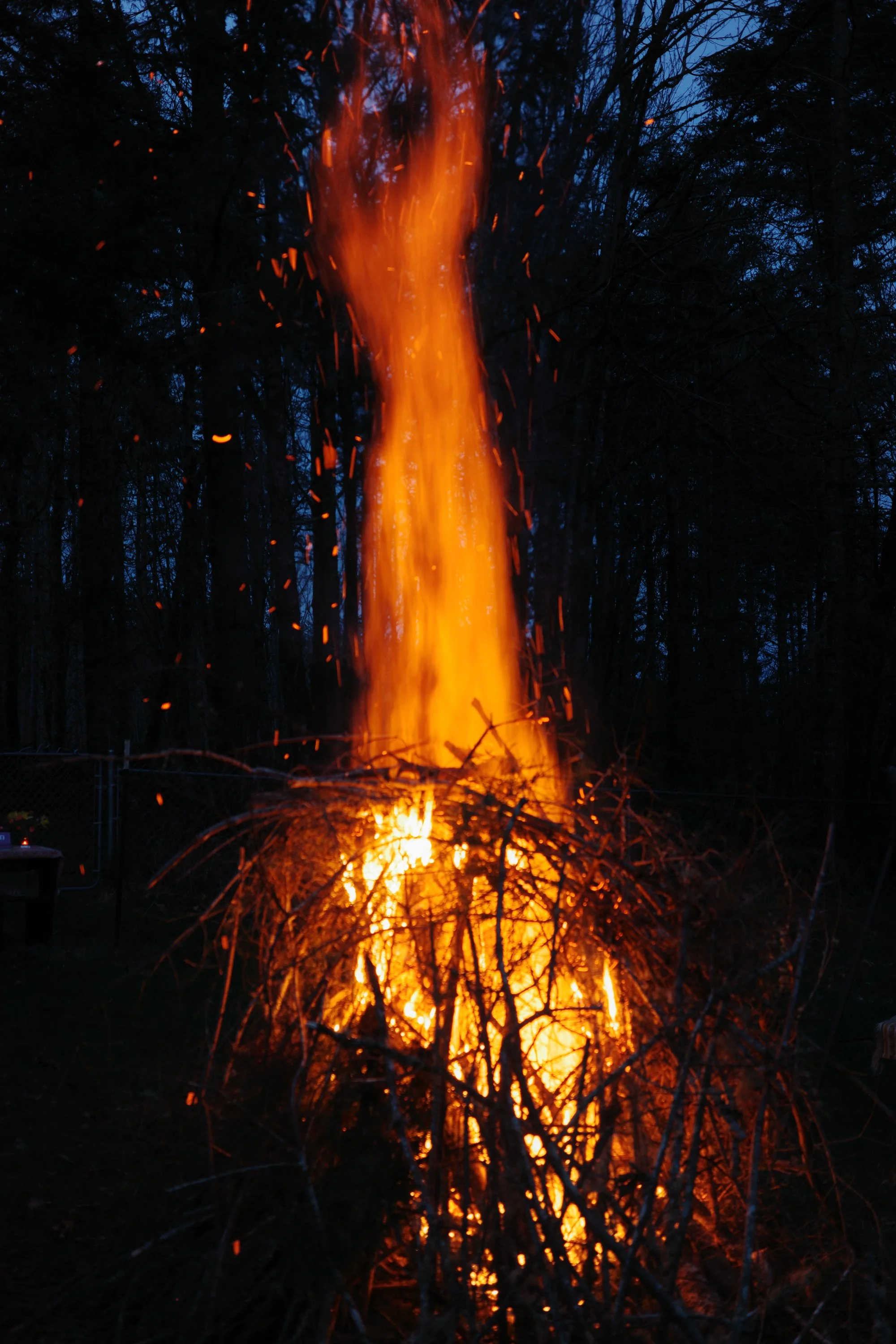
We are the inheritors of a deep mythopoetic lineage - a fire ignited by the previous generation of elders, poets, and mythologists who understood that a culture without initiation is a culture in peril.
As stewards, our task is not merely to repeat the past, but to pick up the torch and extend the terrain.
We bridge the ancient stories with modern somatic reclamation, tending the hearth where the masculine returns to its primal aliveness and sovereign purpose

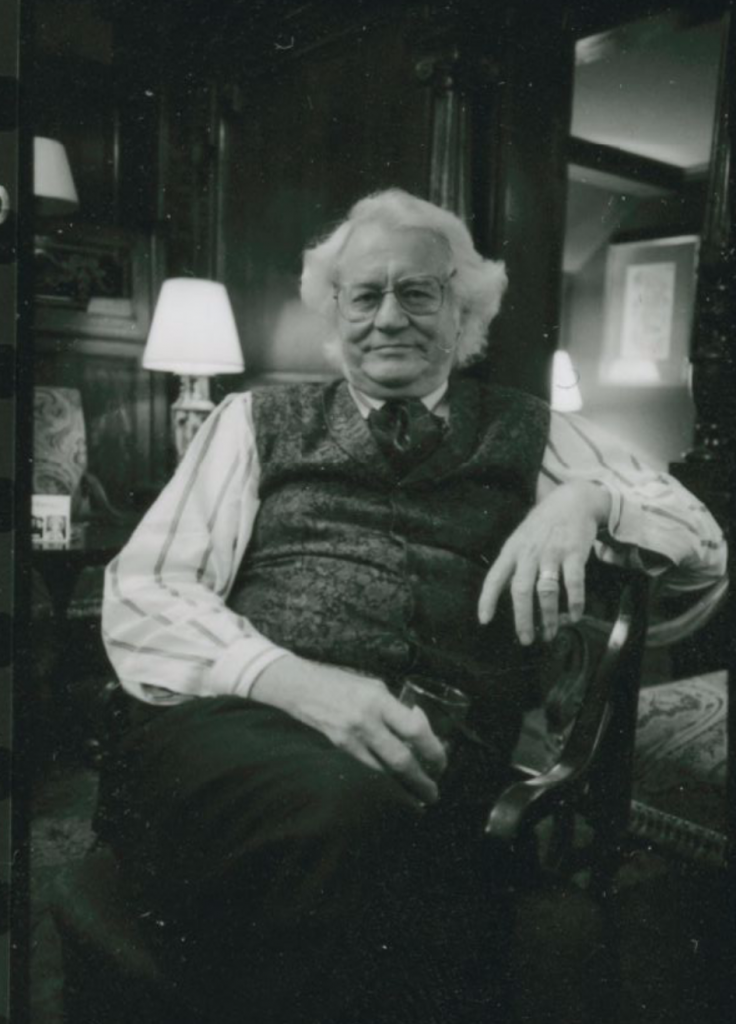
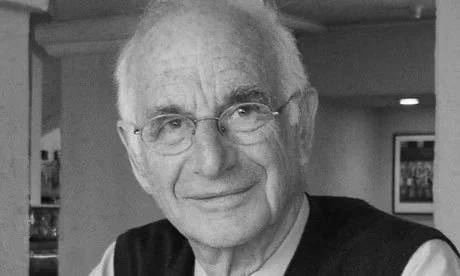
Robert Bly, author of Iron John
We are honored to continue the legacy of our elders - Robert Bly, Michael Meade, James Hillman, Malidoma Somé, Martín Prechtel, Miguel Rivera, Martin Shaw, Stephen Jenkinson, and many others.
As stewards of this torch, we recognize that this work requires courage, imagination, and humility. Our task at CMC is to plant this seeds into the local ecology of the Cascadia bio-region.
We gather not just to remember the old stories, but to live them into being through the soul-soaked labour of modern ritual.
The Mythopoetic Tradition
The Cascadia Men’s Conference is rooted in the deep soil of the mythopoetic tradition—the foundation of modern men's work.
Ignited by Robert Bly, Michael Meade, and James Hillman in the late 1980s, the mythopoetic movement awakened the masculine psyche, revealing the unconscious storylines and unacknowledged wounds that shape our lives. This tradition asks us to dig downwards—into the unconscious, into grief, into the body, and into the earth.
An old idea says that spirit moves up and out, reaching for the sky like embers from a fire. Soul, however, moves down and in, flowing into the deep places like cold water.
Our culture has perfected the 'up and out,' but the mythopoetic lens asks us to slow down, to dig in, and to find warmth closer to the ground within a circle of brothers.
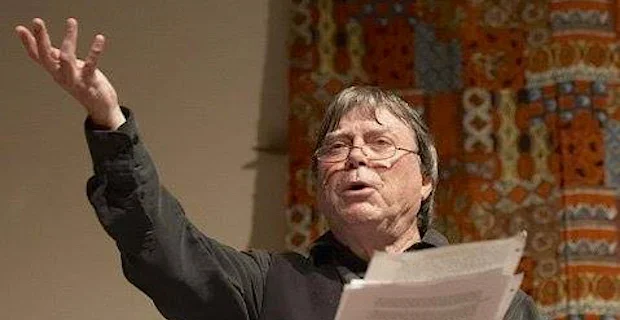
Michael Meade
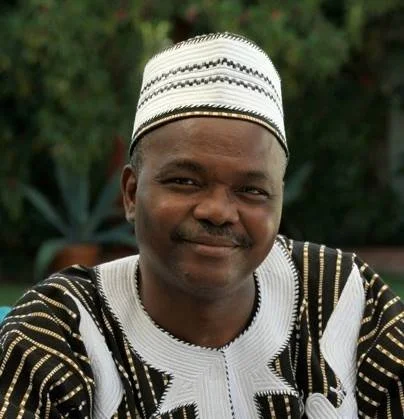
Malidoma Some
James Hillman

Why Myth?
Once upon a time, our ancestors looked into the glimmering tapestry of nature and felt that the world was speaking to them. The hidden patterns of the stars, the ominous outline of a distant mountain, the snakelike flow of a river—all became gods and goddesses, mythic beings full of personality and meaning. No matter your recent heritage, this is a cultural and psychological fact.
Myths never were, but always are. Or, in the words of James Hillman, are “lies that tell the truth.”
There is something magical that happens when a story is told in a room full of men. We might find ourselves revisiting an old hurt, a moment of doubt, or a time when we should have turned and walked the other way.

Slowly, we find that instead of working on a story, the story is working on us.
Myths can offer us doorways into the dark interior of our hearts and souls. Places we’d rather not look. They hold up mirrors to our shadows, and reveal to us where we have avoided looking.
We honor the wisdom of our elders and ancestors, which we believe can be found living within myths and stories. And we honor the stories told by the many teachers who walked this path before us.
Myth asks us to listen with more than our ears, but with the body, with memory, with instinct, and with imagination. Myth reminds us that we are not alone, that others have walked this road before us, and that our personal struggles are woven into a much older, wiser story than just our own
Why RITUAL?
Ritual inoculates human culture, grafting shoots from the otherworld, whose tending is required to grow fruit in this world. We all come from humans who used ritual as a way to, in the words of Stephen Jenkinson, "congress with the Divine". In ritual space the more-than-human-world is the center of attention, and the voices of your ancestors and the animate world can become more clear.
On a psychological level, ritual offers the possibility of transference—the archetypal energies, primal emotions, and reverential awe that are too large for a human psyche to contain are honoured, expressed, and released. Your grief and praise combined with your willed submission feeds the otherworld, and through the living conversation enacted, both soul-level and cultural transformation is possible.